
Lesbian Lines – Film Review
by Brian Merriman
Written and Directed by Cara Holmes.
Featuring Joni Crone, Marina Forrestal and Heather Fleming et al.
Cinematographer: Aidan Gault
Supported by RTÉ, Fis Éireann, Comisiún na Meán
What a rare and unusual thing it is to see the word lesbian reappear in a title again. True, Lesbian Lines is a retrospective on how things used to be when lesbians or as some also described themselves, gay women and gay men, asserted their unalterable identity in order to access and vindicate their human rights. Though many rights have been achieved, these core identities are increasingly erased in modern discourse and the arts.
Lesbian Lines won the best feature and audience awards at the GAZE LGBTQIA film festival in Dublin this year – previously known as the Lesbian and Gay Film Festival. In the IFI, the men would head into Screen One and the women into Screen Two in the early years of that great festival. There were gay love stories, comedies, dark tales and fiction, but Lesbian films were heavily documentary in style. Lesbian Lines by Cara Holmes follows that format well.
Lesbians not only battled discrimination but were active within their community. They nursed voluntarily in the AIDS wards when no one knew how the disease was caught or spread, fundraised for causes, led the protests and allied with straight women, as they learned together, to vindicate their rights. With such a CV and more, it is sad that the word Lesbian is rarely heard and the specific identity is rarely celebrated in these freer days, even though we all stand on the shoulders of others.
Though gay men were criminalised, Lesbians often existed in the shadows. Their emergence in art, politics (we unknowingly elected our first lesbian TD in 1923, Dr Kathleen Lynn) and advocacy signalled a radical change in the perception and reality of women’s place in society. Stepford wives shuddered at the confidence and militancy of the radical lesbian feminist.
Not to exist in law makes visibility an even greater challenge. In the days when getting access to a phone needed all the skills of a military strategist, the comfort of knowing there were others like you, and contactable, was as life-saving as it was radical.
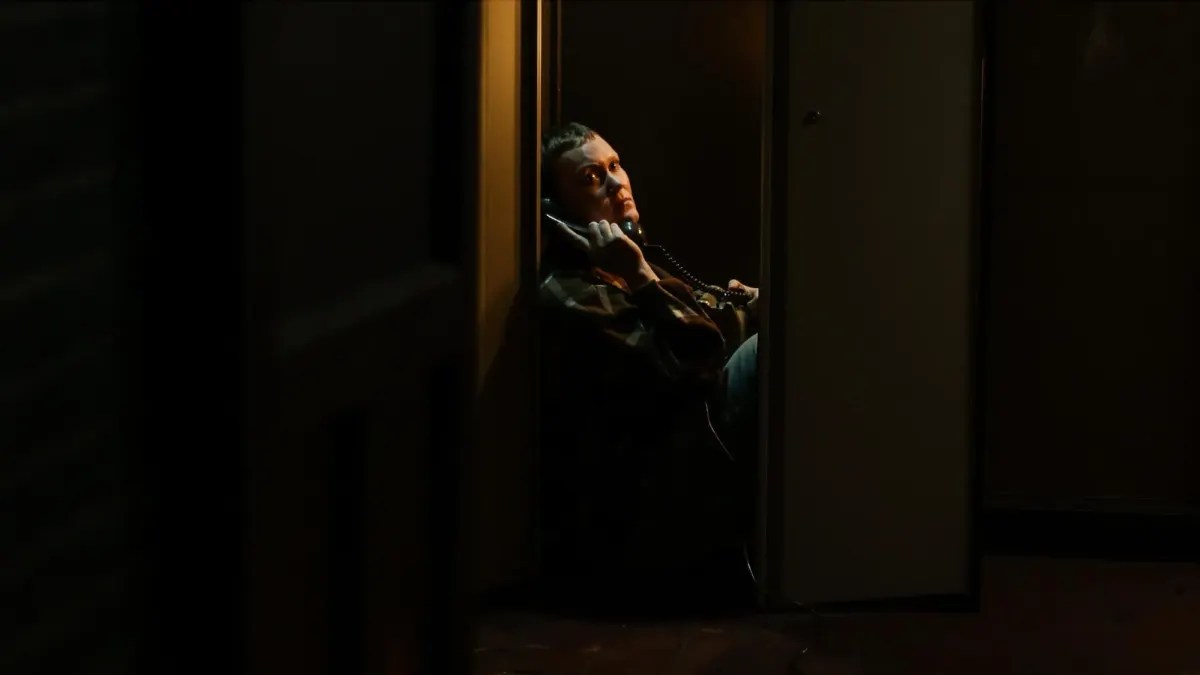
The courageous founders of Lesbian Line (and Gay Switchboard, Tel-a-Friend) were mould breakers. And like the word lesbian itself, so much survived in secret. That secrecy is a challenge for Holmes’ well-made documentary. The absence of an extensive archive is a challenge to filmmakers, and though a huge effort was made to create atmosphere and visual context, there was a multiplicity of shots of phones of all makes and brands used throughout.
The spirit of the 80s was eloquently conveyed by the real-life volunteers who movingly told their own stories and that of their anonymous callers. There is a lot of smoking, gender segregated spaces and a strong reference to life in the Troubles. Laws were different in the North, but the lived experience was very similar. All were welcome, and sectarianism was not a divisive issue that emerged to an extent after the peace process.
Most of the insightful and generous interviewees were referenced by their first name only on screen, a reminder of the times. The footage of Joni Crone on RTE’s Late Late Show is inspiring. Her appearance and confidence were radical. Her presence challenged the fear endured by closeted women, the restrictive and unequal impact of religion, the risk of losing their children, all of which impacted on women not being able to fulfil their lives in those days.
There is a wonderful passing of the torch moment when two of the original volunteers warmly engage with four happy, confident young women today. What is telling is that these young women self-describe as ‘queer’. Not one of them uttered the word lesbian. Only the older women did.
One of the young women warmly said that, when asked about what community meant today, she wanted to listen more. These older lesbians have spoken in a heroic way of their inspiring work in saving and liberating lives, which has led to today’s freedom.
The young ones can listen, but have they learned how important naming lesbian identity is? The word lesbian is and has been in liberating, educating and counselling those who feared to use that word decades ago. It celebrates the identity of lesbian women in a time when that word couldn’t be uttered. Today it isn’t uttered. The need to reinstate the words that celebrate lesbian and gay identity, as well as all others in the diverse family, is as necessary today as it was then. Nothing thrives in secret. Cara Holmes and her colleagues have done a considerable service in getting us talking to each other again.
Categories: Header, Movie Review, Movies


