
Interview with Steve Gunn
by Killian Laher
No More Workhorse had a chat with Steve Gunn about releasing two albums in one year just before he went on tour:
No More Workhorse: Not a lot of artists can release two albums in one year?
Steve Gunn: Both of them were a long time coming. I had this opportunity to go and live in Latvia. I did a residency there. It was my first time doing a residency. I had been preparing for it with the idea of making this record (the instrumental Music for Writers). And then when I arrived, I had so much time. I had been so busy, and then suddenly I had a studio and all the time that I needed for a whole month. So it was this amazing window for me to work on this thing that I had been thinking about.
Then, when that finished, I’ve been writing these songs (on Daylight Daylight) as well, and I was sitting on them. So once I finished the instrumental record, I just started working on this ‘songs thing’. For some reason, I knew it had to happen together. I don’t know why; it was just in my head. I felt like they mirror each other in this interesting way. It seemed a little bit nuts to do two records! There was some concern about them being too close to each other. I understand that there’s this careful nature about music releases. But I said, No, I’m doing this. I don’t think it’s going to be detrimental. I just feel very open. It’s been a while since I’ve had a record come out.
NMW: Is Music for Writers your first solo instrumental album?
SG: It’s funny because after I announced my other record, this guy contacted me. He put out a CD of mine 20 years ago. I forgot about it! He said I know we haven’t talked in ages, but I’d like to rerelease this because it’s interesting. I listened to it; it’s so long, it’s so old, but it’s really interesting to hear me working through stuff. It’s just an instrumental thing. There aren’t any vocals on it.
Back then, when I first started making music, I was making CDs myself, and then a couple of labels hit me up and also did CDs. But it was an interesting time. I made a lot of music back then, and it’s interesting that it came back full circle.
NMW: Daylight Daylight feels more like a traditional Steve Gunn album. Would that be fair?
SG: Yeah, I would say so. To me, it feels traditional, but it’s harkening. It’s going back to my earlier days as a songwriter. I went through a few different phases. I think with this one, I let my guard down, and it feels like more of my own voice. I think in the past, I was searching for a lot of different things, and I had the opportunity to play with a bunch of bands. To me, this record feels like it’s really me, and it’s super personal. I worked with James Elkington. Originally, I was going to do it myself, and I was into this idea of doing something completely on my own. But I was really hoping that Jim would be up for it. I didn’t want to pressure him because I know he’s quite busy. The idea was because Jim and I made this record 10 years ago, now called Way Out Weather, and I think that record was very spirited. We didn’t know what we were doing, really, and it happened within a few days.
I think we talked about how now we’re different in so many ways, and we have different instincts, but we still want to be completely open, and not walk into a scenario where we know exactly what we want, and this exact sound. It was really all about exploring and experimenting. Jim has gotten so good at arrangements that he just took these songs that I wrote and disappeared for a while. I’d just be waiting because I wasn’t there when he was doing the arrangements. I recorded a lot of the tracking at his studio, but I would wait five or six days, and then suddenly he would drop this track. And I’m like, holy shit, wow, that’s great! It was such a good workflow to work with him.
NMW: You’ve had your own band before, haven’t you?
SG: I had my own band for years, with different people. I feel like that was an era of mine. Did a lot of tours, Europe and the States, mostly. A lot of good times, a lot of gigs. It was tough out there with a band. It’s harder now. At the time, I was enjoying it immensely. But to sustain that system, unless you’re selling a ton of records and you have a bus and you’re big time, I think it’s really difficult to make all that work. But also, I was learning, and I felt really challenged by performing solo. But that stuff aside, mostly touring has been on my own.
NMW: The two new albums are some of the calmest stuff that you’ve put out in quite a while.
SG: Yeah, I would say so. I’ve been going in that direction heavily. I did some collaborative stuff before, and I think with these records, it felt natural to be so calm. It’s so funny because I was listening to it last night, because I’m working on a video, and, wow, it’s so overly mellow. I didn’t have this map in front of me; it just happened that way. I guess it’s part of my personality, I suppose. But lately, I think with how turbulent things have been, I don’t feel aggression. I just feel like expressing a peaceful nature, I suppose.

NMW: Were you influenced by any other artist or anything in particular this time around?
SG: With the instrumental record, I was thinking about people who are improvisers. One musician who I find really inspiring, who I’ve collaborated with, is this musician named Mike Cooper. He’s English, used to live in Italy, but I think he lives in Valencia now. He’s around 75, but he was a songwriter in the ’60s and ’70s, and then he evolved into an improviser and was living in London and was playing with these heavy jazz musicians. Then he drifted into more improvised experimental solo music. There are a few albums of his that I find super inspiring. There’s one in particular called Rayon Hula that he made. I think he made it somewhere in Southeast Asia, and it’s just these tape loops, and apparently, he made it in a shack. It’s very atmospheric, very meditative, really beautiful music. I always go back to that record and listen to it. Knowing him and playing with him and knowing a little bit about his trajectory in his life, I found that very inspiring.
At the time, I was reading a lot of poetry and also just reflecting on my surroundings there. I knew what I wanted to do, and of course, I had the specific gear, but I was really open to just experimenting. That was just part of that process. I had no agenda. I think if you listen to the record, there’s all this stuff that sounds like me, but it’s unique in a way. It’s almost surprising. I was experimenting with synthesisers, with field recordings, with MIDI, things I had never learned before. I was thinking about almost making some film soundtrack to a non-existent film.
NMW: Do you have any touring plans?
SG: I have a lot, actually. Maybe that’s partially why I can’t sleep (he had been experiencing insomnia). I’m here in Brooklyn now, and I’m leaving later this month to go on tour. I’m going to England first, and I’m going all around Europe for about a month. Then I’m coming back to the States and doing two tours, December on the East Coast, January West Coast. It’s busy. So I’m just hanging out, getting healthy and doing yoga, and just taking it easy, getting prepared. But it’ll be good. I’m actually really looking forward to playing these new songs.
NMW: Tell me a little bit about your involvement with the Oisin Leech album (Cold Sea) that came out last year.
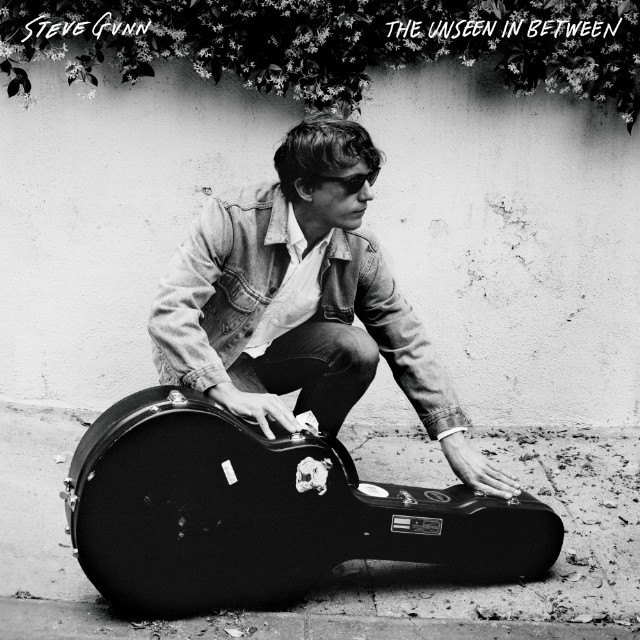
SG: We met through Tony Garnier, who plays with Bob Dylan. Tony played on my album (The Unseen In Between) a bunch of years ago, which was a minor miracle in itself. The engineer who recorded that record, Daniel Schlett, had a studio in Brooklyn, and he was doing a session with Tony the week before, and he said I got this guy Steve coming in. Would you be interested in hearing his music? Would you maybe be interested in playing on it? And he heard what we had been working on in some of my demos and agreed. So me being a bit of a Dylan freak, I was pretty astounded that suddenly he was in the group and playing with us. And Oisin knew Tony as well. Through his channels, he knows everyone, and he’s such an amazing guy. He ended up recording at that same studio maybe six months later, and Tony was on that session, too.
So I came over to the studio to say hi to Tony, and this guy Oisin was there, and we just hit it off. He’s such a friendly person, he’s an amazing guy. We just started chatting, and then we kept in touch over the span of a few years. And then he reached out about how he wanted me to produce his record, and he was wondering if I’d be up for that, and I told him I would definitely be up for it. And it worked out so great. He was so hospitable. He’s very good at planning things and very organised. He had this idea, and he executed it. There was such a good flow to the whole experience. He picked me up at the airport and we drove to the house he rented in Donegal, which was an important place for me because that’s where my family’s from originally. I’d never been to my great-grandmother’s house, and this pub was where she met my grandfather. I went there, and Oisin gave me the whole tour, and he was so interested in my family history. His family is also from Donegal, which was a coincidence. There was no pretext to that. That was magic from the very beginning. And then we got to the house, and the record is a testament to his songwriting.
He’s an amazing writer. I was just there with him, and I gave him support because it’s really hard to do. It’s hard to just have a microphone in your face and make it sound good. I really tried to help him because I was coached by other engineers who I really looked up to, and I learned a little bit about how to perform under pressure and to be comfortable and how to get to that place. A lot of my involvement with that was just playing a supportive role. We became friends during that time, and he invited me a few times to play gigs with him. I played guitar in his group, which was super fun. I hadn’t been in a band for a while, playing someone else’s music. It was really great, and we had some really good gigs in Ireland, and we played all around England as well. We’re still in touch, and we’re probably going to work again at some point. He’s writing a record now. We got really lucky when we were there. It was in the summer. It rained a few times, but we were in the ocean every day. Driving around Malin Head, enjoying the landscape.
NMW: Do you think the music scene is in a healthy state?
SG: I think I’m losing touch with the popularity of certain things. I like to see that there are younger bands that are still out there and getting popular. For a while, it didn’t seem like there was a lot of inspiration happening. I was in a period in the music business when streaming really took over. I experienced both sides of it, and I feel like something is lost. Not only the monetary benefits of pre-streaming sales and now how the music was essentially free, but also I feel like there’s an immediacy. I started thinking about craft, and I started thinking about artistry and how there’s generally this level of immediacy that’s so kinetic, and I feel like it’s a detriment to music in general. But that’s not for me to judge. That’s only my half-cracked opinion.
But at the same time, I’m constantly surprised at what people are making, and I’m always listening to new stuff. I’m a middle-aged guy who has been listening to music, and I’ve been obsessed with music since I was in my teenage years. I know a lot of music, and it’s all in my head. So when I hear something, I always associate… wow, this sounds like the Fall. I’m old enough now to be able to say, I saw the Strokes the first time. There are second waves of things happening. The ’90s came back, I was like, “No!”. I’m crotchety in that respect. But there are things about spontaneity and experimenting. To me, the people who are experimenting more and finding their own voice, I feel like that’s what’s inspiring. I feel like personalities and people who are cultivating their own sound and identifying with their path and not trying to sound like something else, that’s when I hear something and think this is unique.
NMW: Do you still buy music?
SG: Yeah, I do. Whenever I see a record store, I go in. I always have that nature. I’ve been going to record stores since I was 14 years old, so even just the act of looking is soothing to me. One friend of mine has a record store, and I sometimes go over there when he’s pricing stuff, and we’ll listen to records and talk. That’s super fun because he’s got crazy stuff, and we’ll go down a rabbit hole, listen to early ’80s skatepunk 7 inches. I’m reading the liner notes and looking at the photos, and the music’s cranked, and it’s ‘this is what I need right now’. I hop around, and I look at Bandcamp quite a bit. I’m a big fan of Bandcamp. There’s so much exploration. There’s music from around the world. There are field recordings, experimental things, these little labels that are doing cool stuff.
NMW: What are your expectations for your new albums?
SG: I’m excited about this new record. This feels more of a solid thing to me, a solid statement to me, than things before. It’s very heavy. It deals with a lot of issues, similar issues that I have been dealing with, within my songwriting. But it’s a sharper focus these days. It felt very serious, and it’s like a testament. I’m just excited for people to check it out. Any opportunity to talk about it or to address people to take a chance and listen to it is helpful.
When you talk about new music and stuff, I understand that there’s a window with an album, and it passes quickly. It’s like, ok, here’s the release date. Yay, let’s go have a pint. Or let’s bask in this moment. So, for me, I’m hoping that this new record, Daylight, Daylight, I think the people who have been listening to my music over the years, it’s a really good piece of that puzzle to me because I’ve been thinking about that piece, and it got away from me. I’m landing it at a very perfect time for me. And it feels like I’ve got two feet planted on the ground with this one. I’m excited about it.


 No More Workhorse